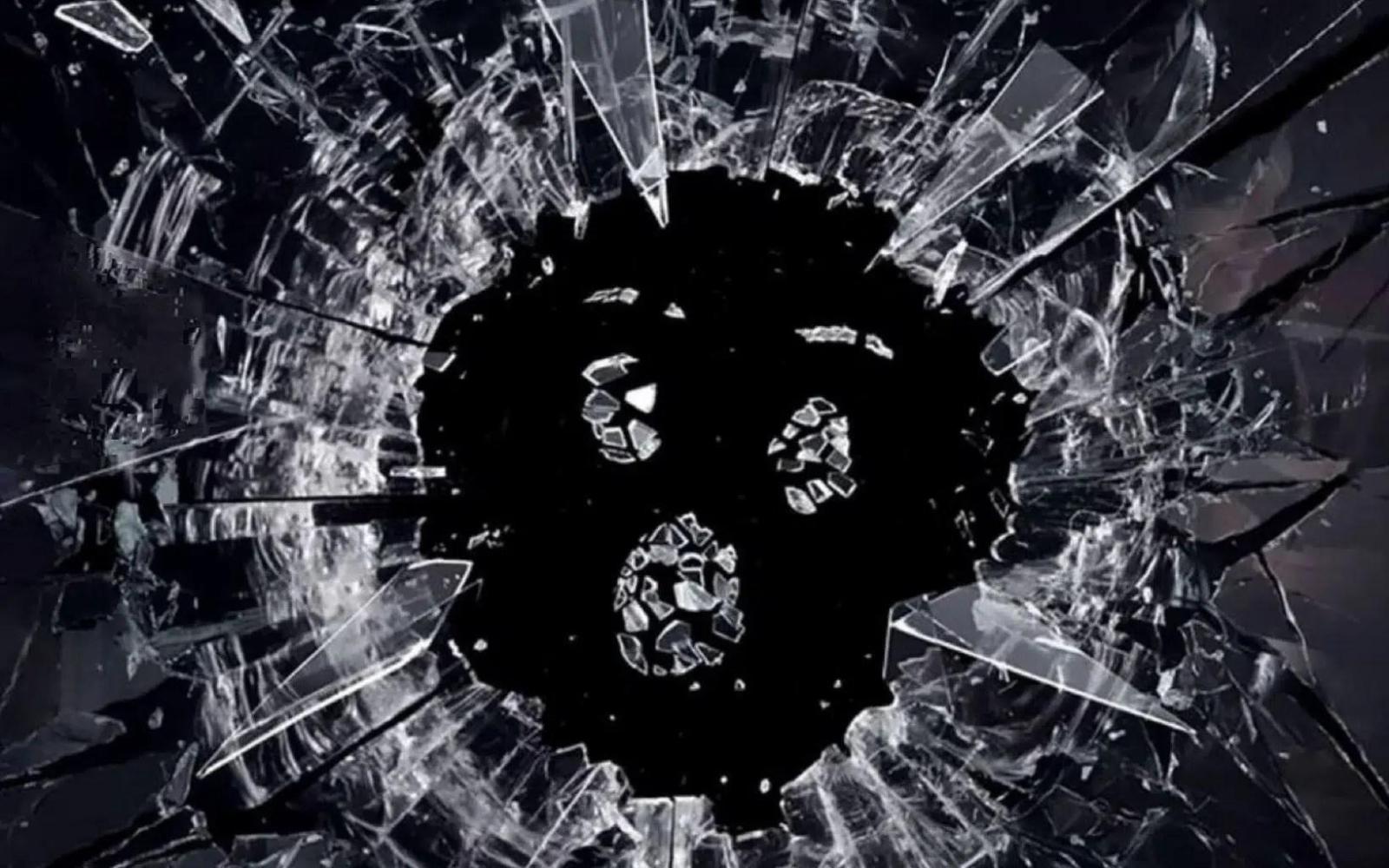
Netflix’s much-discussed anthology can captivate you with its intelligence, disappoint you with careless storytelling or leave you carrying a heavy emotional burden. What do international critics say, and where does creative provocation give way to needless discomfort?
Some episodes of Black Mirror end and leave you wanting to discuss them for hours. Others make you wonder why they were made. Then there are those whose closing credits bring more relief than satisfaction.
That may be the central contradiction of Charlie Brooker’s British series, which began on Channel 4 in 2011 and found an international audience through Netflix. It explores technological dangers, human behaviour, social manipulation and the darker possibilities of a future that often feels disturbingly close. But a daring premise does not always make for successful television.
When discomfort becomes an end in itself
The series’ first episode, “The National Anthem”, is a striking example of its most extreme approach. An appalling demand made of the British prime minister becomes a public spectacle, with society and the media participating in a collective humiliation.
The political and social point is clear. Yet the escalating embarrassment, degradation and sense that there is no escape can make the episode deeply stressful to watch. “Common People”, the opening episode of season seven, creates a similar pressure: technology that promises to save a life traps a couple in a nightmarish system of financial exploitation.
The social criticism is sharp. But must viewers be emotionally exhausted to understand it? Discomfort is a legitimate artistic tool; on its own, it is no proof of great art.
The episodes that show the series at its best
At its peak, Black Mirror is exceptional television. “San Junipero” brings science fiction together with love, memory and mortality, showing how deeply the series can move us without relying solely on cruelty. “Nosedive” satirises a society in which digital ratings determine popularity and social acceptance. Its exaggeration works because elements of it are already familiar.
“USS Callister” deftly combines a science-fiction adventure with an examination of power and its abuse. Season seven’s “Eulogy” uses technology to explore memory, loss and regret. These episodes do more than shock: they have characters, feeling and questions that matter.
Not every idea works equally well
The show’s uneven quality is visible in the critical response. According to Rotten Tomatoes, season one has a 98% positive critics’ score, compared with 66% for season five and 85% for season seven. These percentages measure the share of favourable reviews, not an average episode rating.
Several critics counted season seven’s “Plaything” among its disappointments. “Mazey Day” and “Rachel, Jack and Ashley Too” have also been criticised for how they develop their ideas and tell their stories. Even assessments of season seven diverge: The Guardian praised its greater humanity and emotional depth, while The Washington Post argued that it revisits old creative ground.
Thinking deeply or simply feeling worn down?
The issue is not that Black Mirror tells unpleasant stories. Art has no obligation to make us comfortable. The problem comes when the characters’ suffering accumulates so relentlessly that a story begins to feel more like an endurance test than an exploration of an idea.
The viewer understands the predicament and the social critique, but must then watch an extended collapse that does little to develop the original premise. An episode that unsettles you because it made you think is different from one that drains you because it never lets you breathe.
Is Black Mirror worth watching?
Certainly, with reservations. It does not need to be watched in a marathon. Because most episodes stand alone, viewers can choose stories that suit their interests and their tolerance for bleak material.
At its best, the series is an impressive feat of imagination and social observation. At its worst, it mistakes shock for depth and darkness for dramatic substance. As reported in the Greek original of 22 October 2026, an eighth season is in production. That raises both expectations and a question: can the series still surprise us without returning to the same nightmares?
Black Mirror is worth seeing. Every episode is not necessarily worth your time, though, and you need not suffer through a story to recognise the value of a good idea.
Discover more from Agora Περιοδικό
Subscribe to get the latest posts sent to your email.