Hot pants, miniskirts, fitted T-shirts and knee-high boots. Long before today’s debates about what young people wear, fashion was already challenging social conventions — and provoking fierce reactions.
Before criticising the clothing choices of today’s younger generation, it may be worth opening a family photo album. In the early 1970s, extremely short shorts known as hot pants became a highly visible fashion trend, appearing in shop windows, magazines and youth culture.
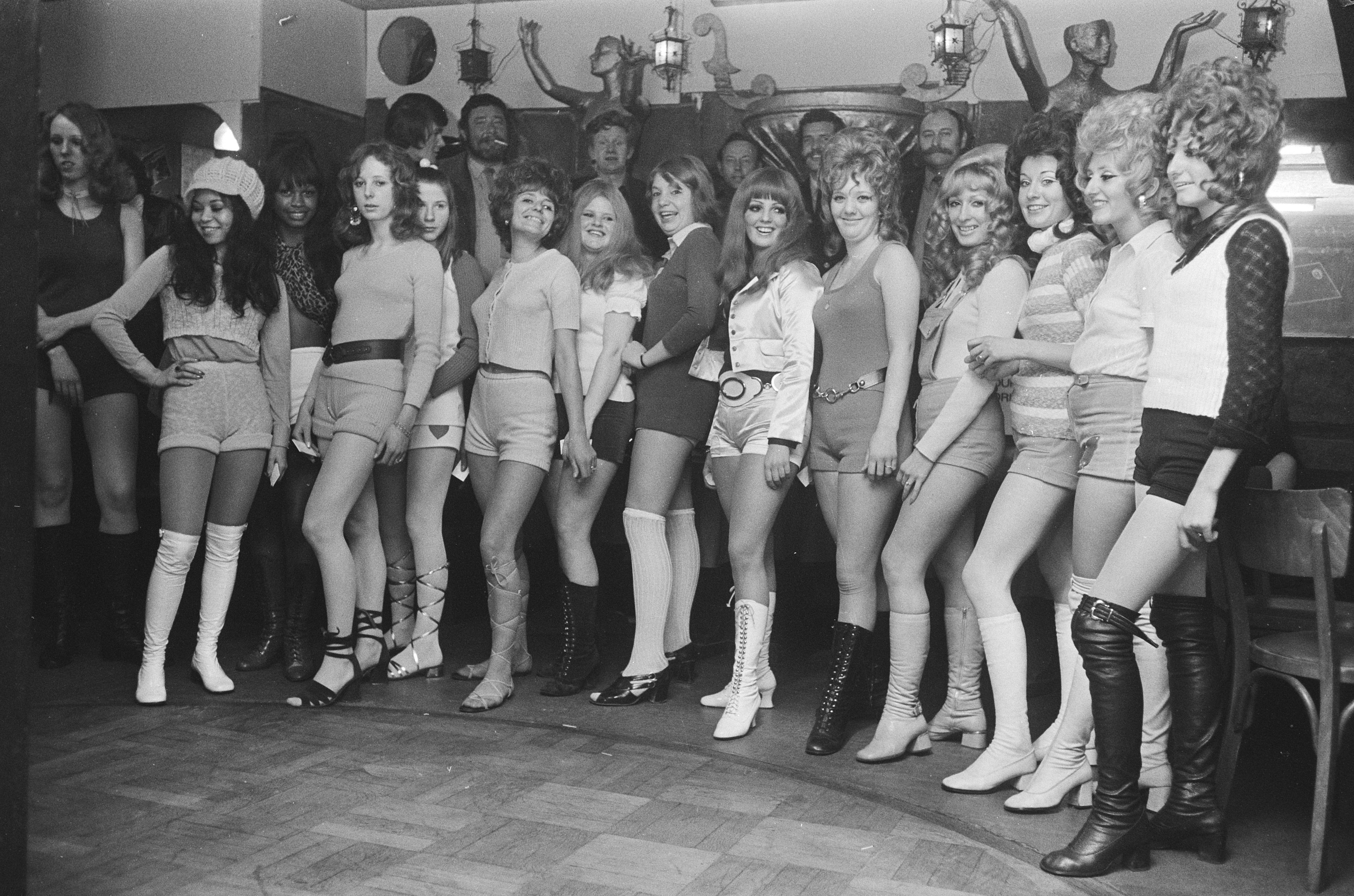
When hot pants became controversial
The trend gained momentum around 1970 and 1971. Hot pants came in denim, velvet, satin and other fabrics, and were worn with boots, tights or sandals. They were not reserved for the beach: some women wore them for nights out, and the possibility of wearing them to work was openly discussed.
Writing in The Guardian on 19 January 1971, fashion journalist Alison Adburgham noted that London employers would have to decide how to respond to shorts appearing in the office.
On 1 February 1971, TIME reported on the daring new style, describing women wearing short shorts even in winter, paired with boots and heavy coats.
Freedom — and lingering stereotypes
The hot pants phenomenon coincided with wider debates about women’s independence and the loosening of traditional dress codes. Yet not every woman who wore them was making a political statement.
In March 1971, Kennedy Fraser wrote in The New Yorker about restaurants debating whether women in hot pants should be admitted. She also criticised the fashion industry’s assumption that women dressed primarily to attract men’s attention.
An authentic photograph from 1971
The photograph accompanying this article is not a modern recreation. It was taken on 31 March 1971 by photographer Bert Verhoeff for the Anefo agency at a Miss Hot Pants contest in Amsterdam. It is held by the Dutch National Archives and released under a CC0 public-domain dedication. See the original archival record.
The image documents a genuine fashion trend, but it does not mean that all women dressed this way. Acceptance varied across countries, generations, social environments and occasions.
What these historical photographs reveal is not simply that clothes have changed, but that the boundaries between “provocative” and “ordinary” shift with every generation. Every era has its bold fashion statements — and the people who object to them.
Discover more from Agora Περιοδικό
Subscribe to get the latest posts sent to your email.