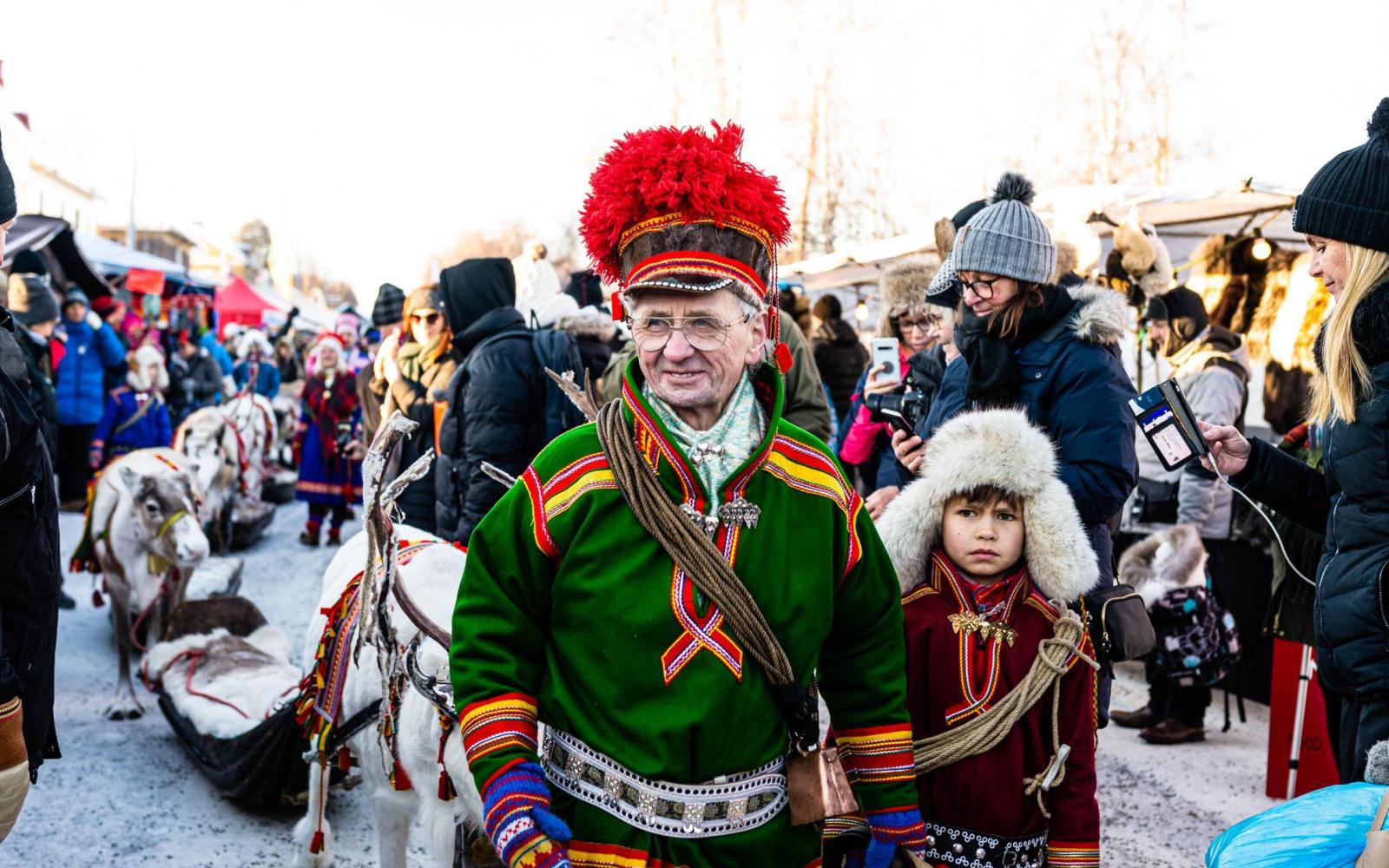
Every winter in Jokkmokk, northern Sweden, colourful traditional clothing, reindeer and open-air markets create an unusual scene in the snow. This is one of the most important gathering places for the Sámi, an Indigenous people of Europe who have lived in the region for centuries.
Behind the images that attract visitors from around the world, however, lies a history of displacement, discrimination and struggles to preserve cultural identity.
Who are the Sámi?
The Sámi traditionally inhabit Sápmi, a region stretching across northern Norway, Sweden and Finland and the north-western part of Russia.
Their total population is estimated at between 80,000 and 100,000, including an estimated 20,000 to 40,000 in Sweden. Exact figures are unavailable, as there is no modern census based on ethnic origin.
They have their own languages, with many different varieties, and distinctive cultural traditions. Reindeer herding, fishing, handicrafts and the traditional song known as joik are characteristic elements of their heritage.
Yet the Sámi are not a people who live exclusively through traditional occupations. They participate in every area of modern society while maintaining their connection to their history and culture.
Jokkmokk and its 421-year-old market
Just north of the Arctic Circle lies Jokkmokk, known for its winter market, established in 1605.
The Swedish monarchy founded the market not simply to encourage trade, but also to collect taxes and strengthen state and religious control over the populations of the north.
Over the centuries, it developed into an important meeting place for trade and culture.
Today it hosts exhibitions, musical events, traditional handicrafts and activities showcasing Sámi culture. The next edition, the 422nd, is scheduled for 4–6 February 2027.
Forced displacement and racial discrimination
Policies of restriction and assimilation long characterised the Sámi people’s relationship with the Swedish state.
Families had to leave traditional settlement and grazing areas. Children attended segregated schools, while state policies restricted the use of Sámi languages and access to traditional activities.
During the 20th century, the Sámi also became the subjects of racial studies within the practices of so-called racial biology.
The consequences of these policies extend beyond the past. Claims concerning land, natural resources and the protection of cultural identity remain pressing issues.
The 2026 findings: Calls for Sweden to apologise
On 30 September 2026, Sweden’s Truth Commission for the Sámi People submitted its final report, titled Markerna berättar och minns.
The report examines the consequences of state policy from the 17th century to the present, documenting historical injustices and violations of rights.
The commission recommends an official state apology, measures of redress, stronger land rights and protection for Sámi languages and culture. It also calls for a national centre for knowledge and reconciliation.
These recommendations do not automatically constitute government decisions. The question now is how the Swedish state will respond.
A people claiming the right to shape their future
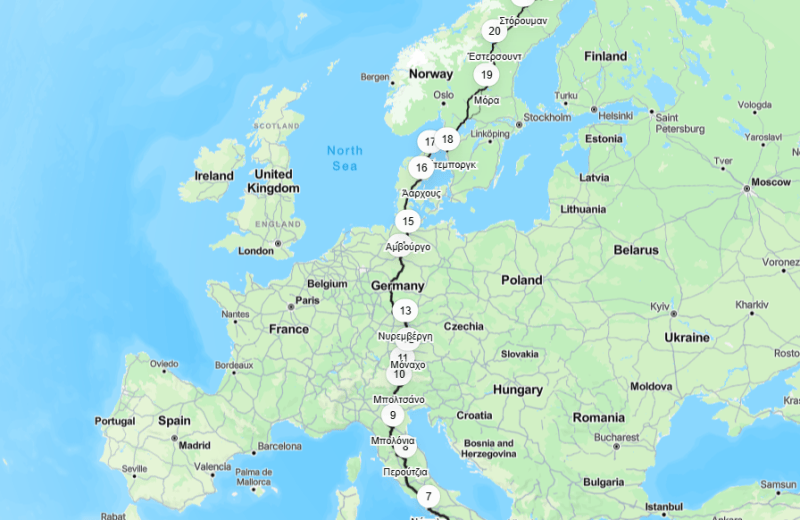
Jokkmokk also lies on the European E45 road route, which connects the Mediterranean with Europe’s far north.
For a traveller, it may be an impressive stop. For the Sámi, however, it means much more: a place connected to their collective memory and living cultural presence.
Their history reminds us that Indigenous peoples are not simply part of the past. They are contemporary societies claiming the right to determine their own future.
Discover more from Agora Περιοδικό
Subscribe to get the latest posts sent to your email.