Climate adaptation in Cyprus could avert at least four times as much damage as today’s investment costs, according to an assessment by Cyprus Institute researchers in the European ACCREU project. The finding makes an economic case for preparing early for rising temperatures and extreme weather.
The ACCREU project (Assessing Climate Change Risk in Europe) concluded in November 2026. It brought together 15 research organisations under the leadership of Italy’s Euro-Mediterranean Centre on Climate Change (CMCC). The Cyprus Institute participated through its SteDI and CARE-C research centres.
What the researchers examined
The Cypriot team assessed climate impacts on European energy systems, the health effects of air pollution under different climate scenarios, and the investment needed to adapt Cyprus to climate change.
Professor Theodoros Zachariadis, the Cyprus Institute’s principal investigator in ACCREU, said investment in adaptation today could prevent “at least four times as many damages” from uncontrolled climate change in the decades ahead. He also said adaptation can help reduce inequality because low-income households are particularly vulnerable to climate-driven extreme events.
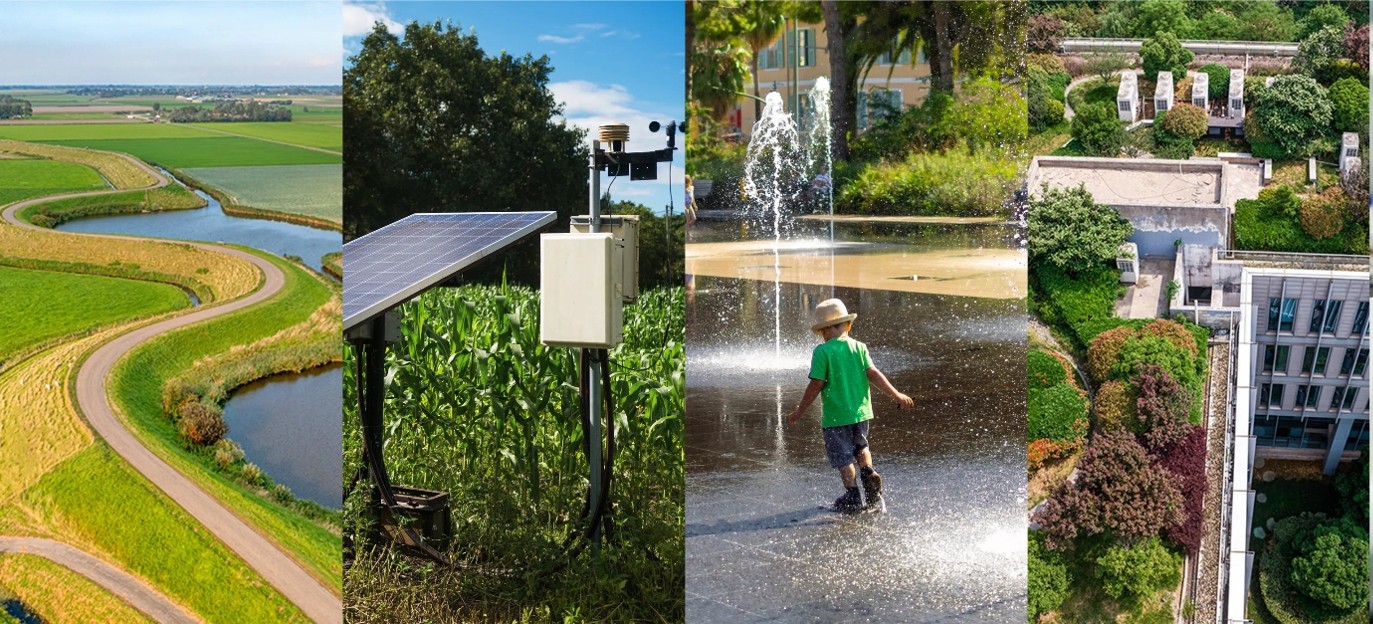
The findings are publicly available
The project has published a data catalogue, a climate impact and adaptation scenario explorer, and a European adaptation handbook with 15 case studies, including one focused on Cyprus. ACCREU received funding from the EU’s Horizon Europe programme.
The research comes as Europe remains the world’s fastest-warming continent. In October, the European Commission announced a framework for climate resilience intended to bring climate risks into economic and investment decisions.
Source: The Cyprus Institute.
Discover more from Agora Περιοδικό
Subscribe to get the latest posts sent to your email.