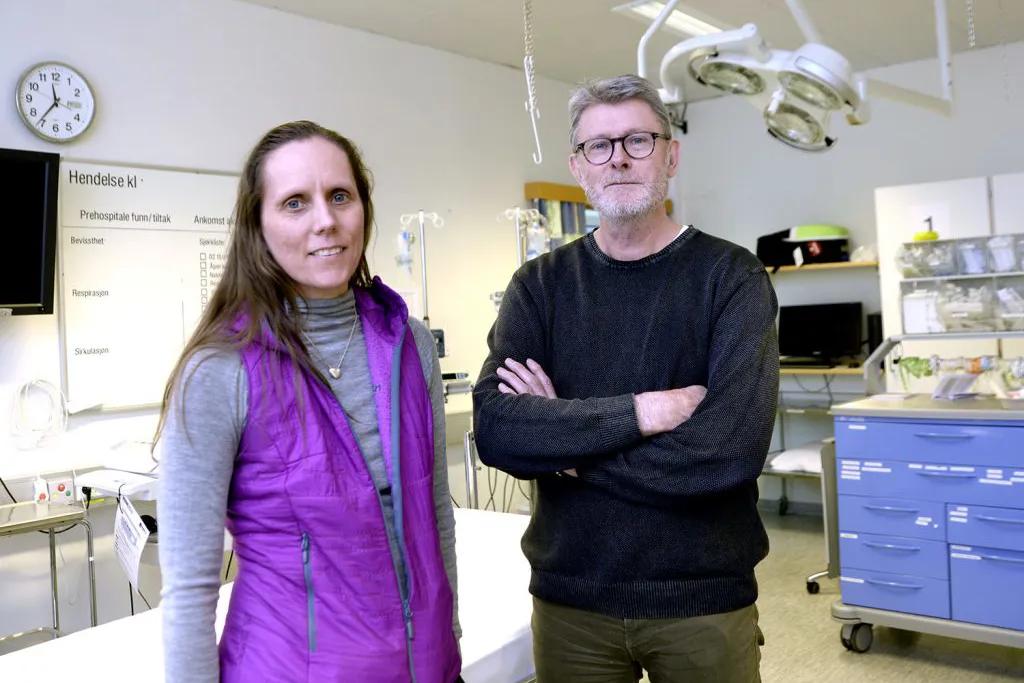
On 20 May 1999, Swedish doctor Anna Bågenholm, then 29, was skiing with two colleagues near Narvik in northern Norway. On a downhill slope, she lost control, fell headfirst into an icy mountain stream and became trapped beneath the ice.
Her two colleagues tried unsuccessfully to free her. Bågenholm did, however, manage to find a small air pocket beneath the ice and remained alive and conscious for around 40 minutes. Her heart then stopped.
In total, she spent around 80 minutes in the freezing water. When rescuers finally managed to free her, she was not breathing and had no detectable pulse. Resuscitation began immediately and continued during her helicopter transfer to the University Hospital in Tromsø.
There, her core body temperature was recorded at 13.7 degrees Celsius. This was exceptionally profound hypothermia and, when the case was recorded, the lowest body temperature from which a person had survived following circulatory arrest.
The doctors, led by anaesthetist Mads Gilbert, refused to consider Bågenholm dead. They continued cardiopulmonary resuscitation and used extracorporeal circulation to oxygenate and gradually warm her blood.
About an hour after she arrived at the hospital, her heart began beating again. The entire process of resuscitation and stabilisation lasted around nine hours.
Bågenholm regained consciousness around ten days later. Despite serious complications and a long period of hospital treatment and rehabilitation, she was able to return to work and eventually regain much of her normal life.
Why did she survive?
As paradoxical as it may sound, the extreme hypothermia probably protected her brain. As her body temperature fell, her metabolism slowed dramatically and her brain cells needed less oxygen. This allowed her brain to withstand the prolonged interruption of circulation for longer than would have been possible at a normal body temperature.
Bågenholm’s case was published in The Lancet in 2000 and became an important reference in the medical literature on the treatment of severe accidental hypothermia.
Discover more from Agora Περιοδικό
Subscribe to get the latest posts sent to your email.